Visual and coastal experiences
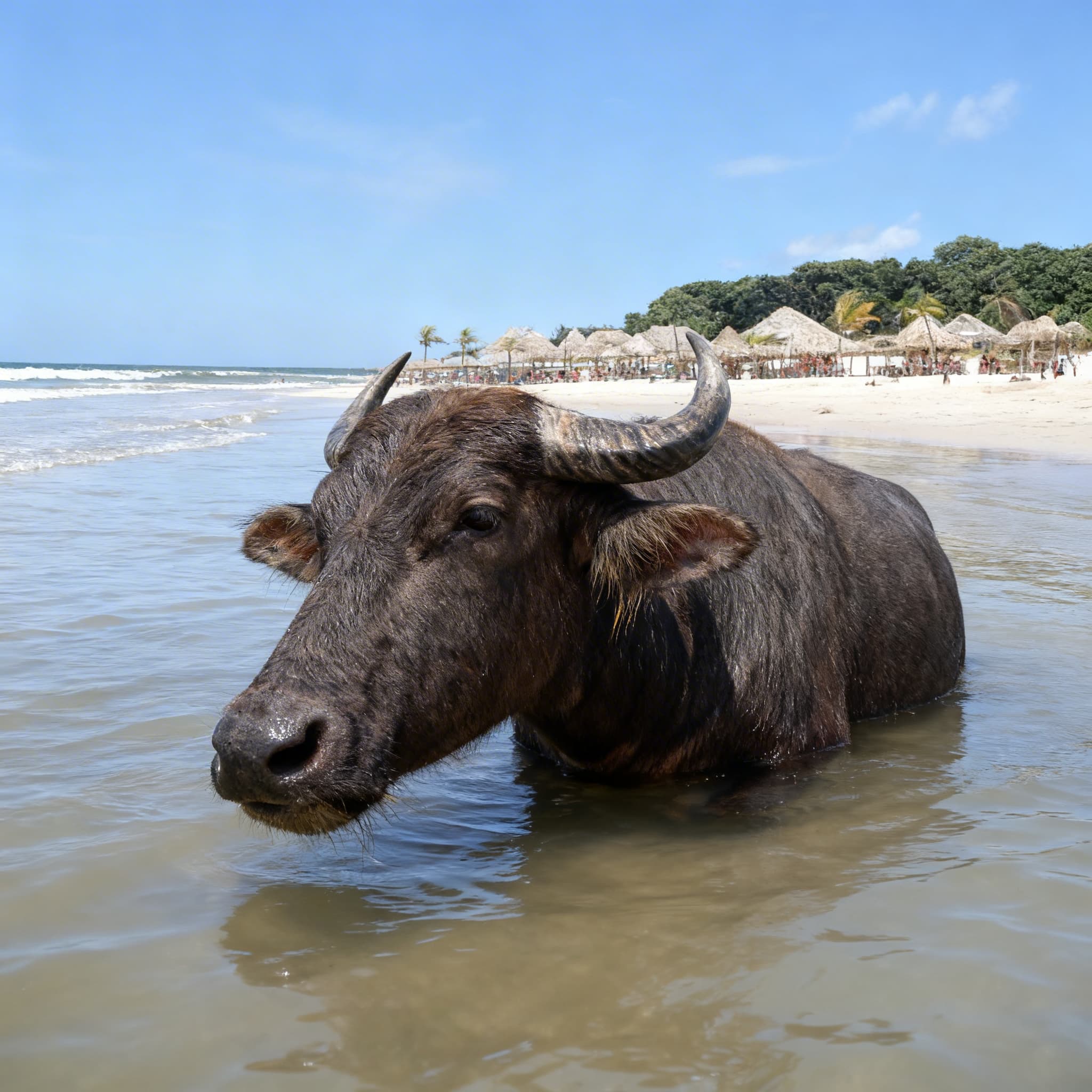
Pesqueiro Beach is often the clearest first visual anchor: wide, open, slow and tied to the island's estuary atmosphere rather than a resort-style beach script.
International destination guide
Marajó Island, Brazil is one of the rare places where the Amazon River does not end as a line on a map. It opens into tides, channels, wide horizons and Atlantic light. The island sits at the mouth of the Amazon, but it does not behave like a conventional rainforest trip. It is also not a standard beach escape, even when the sand feels endless and the water takes over the view.
This is a destination for travelers who want Brazil to feel less predictable. Marajó brings together broad beaches, buffalo culture, river landscapes, traditional communities, local food and a rhythm that refuses to be rushed. The result is not mass tourism and not a packaged Amazon lodge experience. It is a territory with its own logic.
Travel Marajó reads the island through that logic: where to arrive, which base to choose, when to slow down, and how to connect the right experiences without flattening the place into a checklist. If you are trying to understand why Marajó is different and how to begin planning with confidence, start here.
Marajó is located in northern Brazil, in the state of Pará, inside the Amazon estuarine region. For most international travelers, the journey begins in Belém, the historic river city that works as the practical gateway to the island.
From there, Marajó is reached by water and then by local ground logistics, which is part of why the destination feels different before you even arrive. The island is shaped by tides, river channels, sediment, mangroves and ocean influence. It is not a simple offshore beach island. It is an Amazon island Brazil travelers need to read through water first.
Marajó feels different because the geography is not decorative. The island exists where river and ocean pressure meet, so the landscape keeps changing its mood: beach, channel, field, mangrove, village, ranch, river edge. That river-meets-ocean condition gives Marajó a sense of scale that is hard to place inside familiar Brazil categories.
Tourism here is still low-density compared with the country's famous coastal circuits. The best Marajó beaches feel open and quiet, less commercial and less scripted. Buffaloes are not a tourist prop added to the landscape; they are part of the territory's identity, economy and visual language. The culture is also deeper than scenery. Cheese, farms, river communities, ceramics, food and silence all help explain why the island stays with travelers who are willing to pay attention.
The best answer to what to do in Marajó is not a random attraction list. The experiences work best when they help you understand the territory: coast, culture, food, water, distance and pace. A strong first trip usually combines three layers.
Pesqueiro Beach is often the clearest first visual anchor: wide, open, slow and tied to the island's estuary atmosphere rather than a resort-style beach script.
Farm and cheese routes explain a form of buffalo culture in Brazil that travelers rarely encounter elsewhere, connecting ranch life, local production, food and Marajó identity.
Mangroves, river landscapes and slower observation routes bring the Amazon estuary into focus without forcing the trip into a hard expedition format.
If you want to compare the island's bookable routes with clearer context, start with the Marajó experiences page and look for the mix that fits your base, timing and energy rather than the most crowded itinerary.
Most international travelers reach Belém first, then continue toward Marajó by ferry or boat and local ground logistics. The exact sequence depends on schedule, base and the kind of arrival day you want to protect.
Planning matters because Marajó is not a plug-and-play destination. It is easier when you decide the island base first and then align the crossing, onward transfer and first experience around that choice. For a more practical access sequence, read how to visit Marajó before locking fixed activities.
First-time visitors should understand the difference between Soure and Salvaterra before booking. This is not only a hotel question. It changes how the island feels day by day.
Soure tends to work better for travelers looking for classic first-contact experiences, easier logistics and access to recognizable beach and buffalo-culture routes. Salvaterra can make more sense for slower rhythms, nature-led routes, quieter immersion and a softer relationship with water. Neither is universally better. The right base is the one that supports the trip you are actually trying to take. Compare the decision in more detail in the Soure vs Salvaterra guide.
Marajó is very different from Brazil's major urban centers, and that difference often helps travelers feel less overwhelmed. Still, the honest answer is not to promise that planning does not matter. It does.
The strongest approach is calm preparation: organize transfers in advance, choose a base that fits the itinerary, understand arrival and departure windows, and use local guidance when the trip depends on timing, water, roads or more remote experiences. That kind of preparation reduces anxiety without pretending the destination is frictionless. Use the Marajó safety and health notes to prepare with more confidence.
Marajó is ideal for travelers seeking authenticity without turning the trip into a performance of hardship. It works beautifully for people interested in nature, territory, culture, food, silence and rare places that still feel locally defined. If you value a destination because it asks you to slow down and notice how things connect, Marajó can feel extraordinary.
It may not be ideal for travelers expecting luxury infrastructure in the conventional sense, fast-paced tourism with frictionless urban logistics, or a destination where everything is standardized before you arrive. That honesty should increase desire, not reduce it. Marajó is not weaker because it is less polished. It is stronger when travelers understand what kind of place they are choosing.
Marajó rewards travelers who understand rhythm, distance, tide, access and base selection before booking activities. A beach day, a farm route, a mangrove outing and a ferry arrival do not sit on the itinerary like interchangeable blocks. They depend on sequence.
This is where Travel Marajó has a clear role. The destination becomes easier when someone helps translate scattered decisions into a coherent trip: which base to use, which experiences belong together, how much margin to leave, and when local support will protect the quality of the day. The value is not only booking. It is reducing confusion before the wrong plan takes shape.
Trip planning
Marajó becomes easier and more meaningful when the trip is planned with local reading, clearer sequencing and human support. The right plan helps you protect arrival windows, choose between Soure and Salvaterra, avoid overloading the days and connect experiences in a way that respects the island's rhythm.
If Marajó already feels like the kind of Brazil you came looking for, the next step is not another generic article. It is a cleaner planning conversation.
FAQ
Yes, if you want a rare northern Brazil destination with beaches, Amazon estuary landscapes, buffalo culture and a slower rhythm. It is strongest for travelers who value context more than polished convenience.
Four to six days is usually the strongest first-trip range. It gives enough room for the Belém access sequence, one main base, beaches, culture and one quieter nature experience.
Some travelers can, but local guidance makes the trip easier and more meaningful. Marajó depends on base choice, transfers, tides, timing and local reading more than a standard city or resort destination.
Marajó is known for wide beaches, Amazon estuary landscapes, buffalo herds, Marajó cheese, river communities, mangroves and a travel rhythm that feels very different from Brazil's better-known circuits.
It is both, but not in a conventional way. The beaches are part of an Amazon estuary landscape shaped by river water, tides, ocean influence, mangroves and local culture.