
Carry some cash
Cards and digital payments may work in many places, but local services, smaller stops and timing issues can make cash useful.
Traveler preparation
Marajó asks for practical preparation, but it should not be treated as a chaotic destination. Most anxiety comes from unclear logistics, unfamiliar infrastructure and not knowing what deserves attention before the trip.
The goal is to replace vague worry with useful clarity. When travelers understand the island's rhythm, choose a coherent base and prepare for heat, insects, water movement and slower local timing, the experience usually feels much calmer.
This guide explains Marajó safety and health in a balanced way: what to prepare, what not to dramatize and where local support can reduce uncertainty for a first international visit.
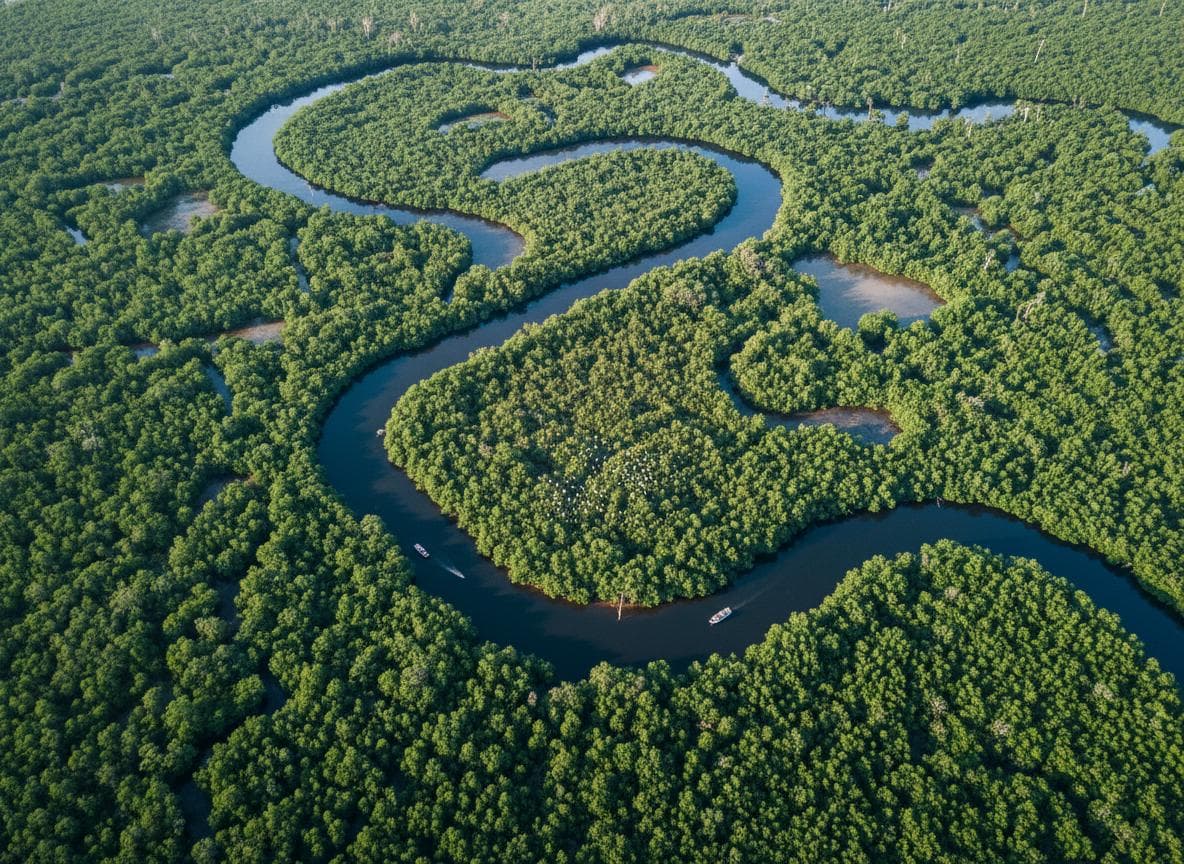
Marajó feels different from Brazil's major urban centers. Many travelers find the island calmer, slower and less overwhelming than large-city travel, especially when the arrival, base and transfers are organized before the trip begins.
That does not mean safety should be ignored. It means the useful focus is not fear. The useful focus is clarity: know how you will move from Belém to the island, choose a base that fits your itinerary and avoid leaving important transport decisions to the last minute.
Local support helps because many points of uncertainty are contextual. A traveler may not know whether a route is realistic, whether a day is overloaded or whether Soure or Salvaterra makes more sense as a base. Reducing that uncertainty is a practical safety measure, not just a convenience.
Health preparation for Marajó should be practical and responsible. Confirm current vaccine guidance with an official travel health source or clinician before departure, especially for yellow fever, which is commonly discussed for Amazon-region travel and may be recommended depending on your itinerary and health profile.
Pack insect repellent and use it consistently, especially around dusk, river edges and nature routes. Lightweight long sleeves, breathable clothing, a hat, sun protection and shoes or sandals that can handle wet or sandy conditions are simple choices that improve comfort.
Drink bottled or properly treated water, be sensible with heat exposure and bring personal medication in enough quantity for the trip. This is not about creating medical anxiety. It is about arriving with the basic habits that make a remote-feeling Amazon island easier to enjoy.
Most uncertainty around Marajó is not about one dramatic risk. It comes from the destination's rhythm: water access, distances, ferry or boat timing, roads, heat, language and infrastructure that is not standardized like a large urban tourism corridor.
That can feel intimidating before the trip because online information often treats the island as if every movement were obvious. It is not. The plan becomes clearer when you connect access, base and daily rhythm before choosing experiences.
Start with how to visit Marajó to understand the access sequence, then compare Soure vs Salvaterra before locking the itinerary. Those two decisions remove much of the confusion.
The habits that make Marajó easier are simple, but they matter because the island is not urban tourism plug-and-play.
Cards and digital payments may work in many places, but local services, smaller stops and timing issues can make cash useful.
Do not assume that a ferry, boat, car transfer and first experience will naturally connect without planning.
Base choice changes the route logic. Decide whether Soure, Salvaterra or another sequence fits before building the calendar.
Heat, slower service, distance and local timing are easier to handle when the itinerary is not packed to the edge.
Some travelers can organize Marajó independently. If you speak Portuguese, enjoy solving local logistics and have enough time to absorb changes, a self-directed trip can work.
For many first-time international travelers, local support reduces friction significantly. It helps translate a set of scattered decisions into a coherent route: where to base yourself, when to cross, how to sequence experiences and how much space to leave between moving parts.
Travel Marajó helps organize the reading of the trip before bookings harden. The value is not to make the island feel generic or overcontrolled. It is to help you travel with clearer expectations and fewer avoidable uncertainties.
The point of safety and health preparation is not to dramatize Marajó. The point is to understand the destination well enough to stop guessing. When travelers know what to pack, how to move, where to base themselves and when to ask for local support, the trip becomes calmer.
If you are still deciding whether the island fits your style, read the broader Marajó Island, Brazil guide. If you are ready to turn preparation into an actual route, use the Travel Marajó planning flow.
Trip planning
Travel Marajó helps first-time visitors connect health preparation, base choice, transfers and experience sequencing into a clearer plan. The aim is more confidence, not more fear.
FAQ
Marajó is different from Brazil's large urban centers and many travelers experience the island as calmer when logistics are organized. The strongest approach is practical preparation: plan transfers, choose the right base and use local orientation when timing or route decisions are unclear.
Travel health advice depends on your itinerary, medical history and departure country. Yellow fever vaccination is commonly discussed for Amazon-region travel, including Pará, so confirm current guidance with an official travel health source or clinician before departure.
Marajó has local services, but travelers should not treat the island like a major urban medical hub. Bring personal medication, travel insurance details and enough planning margin, especially if you have specific health needs.
Yes, bringing some cash is a sensible habit for Marajó. Cards and digital payments may work in many places, but smaller services, local logistics and timing issues can make cash useful.
Some travelers can visit independently, especially if they speak Portuguese and are comfortable with local logistics. Many first-time international travelers still benefit from local support because it reduces uncertainty around transfers, base choice and sequencing.