
Choose Soure for a visual and classic first contact
Soure is usually the stronger choice when you want beaches, recognizable Marajó identity, simpler first-trip logic and a clearer opening chapter.
Where to stay in Marajó
The first real decision in a Marajó trip is not which activity to book. It is where to base yourself. Soure and Salvaterra are close enough to be compared, but different enough to change how the whole journey feels.
These are not just two names on a map. Soure and Salvaterra shape the rhythm of the trip, the logic of transfers, the way you read the island and the order in which beaches, culture, nature and quieter experiences begin to make sense.
For first-time international travelers, the question is not simply which town is better. The better question is which base makes your first Marajó trip more coherent, less rushed and easier to understand.
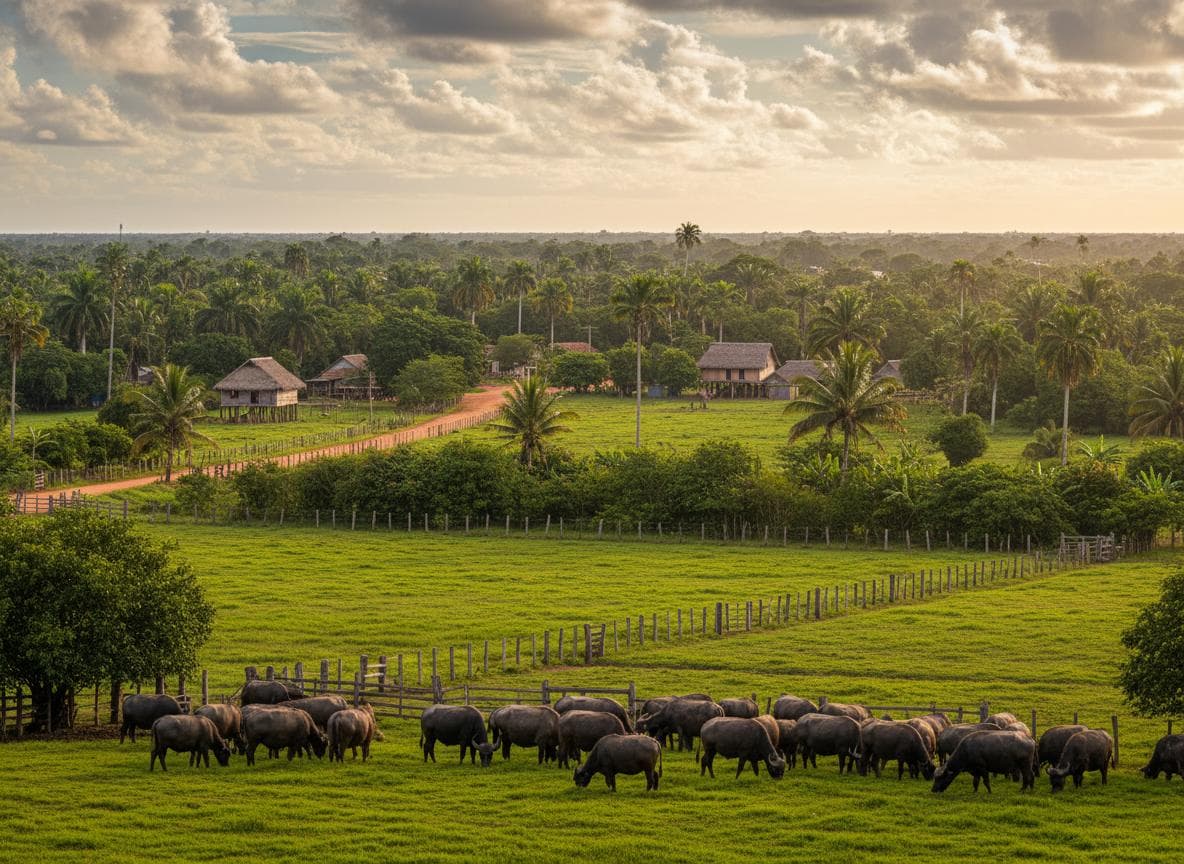
Choosing the wrong base can make Marajó feel more confusing than it needs to be. The island is large, movement depends on local timing, and experiences do not always sit neatly beside each other as interchangeable blocks.
A poor base choice can create long or awkward transfers, make the destination feel fragmented and force the itinerary to work against the island's rhythm. A good base does the opposite: it gives the trip a readable sequence and helps each day feel connected to the last one.
That is why the best base in Marajó is not only a hotel decision. It is a planning decision that affects pacing, logistics, experience selection and the first emotional impression of the island.
Soure tends to work well for a first Marajó trip because it gives many travelers a clearer first reading of the island. The town usually feels more intuitive as an entry point for classic Marajó experiences, especially when the itinerary includes beaches, buffalo culture, food and local routes that help explain the destination.
For first-time international travelers, Soure can reduce friction. It often makes the first days easier to structure, with a stronger sense of where to begin and how to connect familiar Marajó images with real local context.
This does not mean Soure is only a practical choice. Its value is also visual and cultural. For travelers asking where to stay in Marajó on a first visit, Soure can act as the classic first-contact base without turning the trip into a generic circuit.
Salvaterra tends to make more sense for travelers who want the island to arrive more quietly. The rhythm can feel slower, softer and less centered on the most classic first-contact circuit.
That quieter rhythm matters if your idea of Marajó is not only beach access or recognizable highlights. Salvaterra can support a more contemplative reading of nature, rivers, mangroves, local movement and the feeling of being closer to the island's water-shaped logic.
For travelers who already know they want silence, more open pacing and less pressure to consume the destination as a checklist, Salvaterra Marajó can be the more natural base.
In many cases, Soure works better as the first base for international travelers. It is easier to understand as an opening chapter, especially when the trip is relatively short or when the traveler wants beaches, culture and a more classic first view of Marajó before going deeper.
But this should not become a simplistic rule. Salvaterra can be the right first base when the traveler wants a slower, quieter and less circuit-driven trip from the beginning. It may also fit better when the itinerary is designed around nature, water, rest and softer movement.
The better answer is to let the base follow the trip style. Soure often wins on clarity and first-contact logic. Salvaterra often wins on quietness and slower immersion. Both can work when the rest of the plan is built around that choice.
Your base changes how the island's distances feel. The same experience can be simple from one base and awkward from another, especially when the day already includes a crossing, a transfer, heat, tide or a fixed departure window.
It also changes sequencing. A strong first trip does not stack Soure, Salvaterra, beaches, farms, mangroves and river experiences randomly. It arranges them in a way that protects energy and makes the territory easier to read.
That sequencing affects perception. Travelers who choose a base before choosing activities usually understand Marajó faster. Travelers who book disconnected experiences first often discover too late that the itinerary has no natural rhythm.
Use the base as a filter for the kind of first trip you want, not as a popularity contest between two towns.
Soure is usually the stronger choice when you want beaches, recognizable Marajó identity, simpler first-trip logic and a clearer opening chapter.
If time is short, Soure can help reduce decision noise because the classic experiences are often easier to structure around one base.
Salvaterra can fit travelers who want less urgency, a softer relationship with rivers and nature, and a more contemplative Marajó experience.
If the itinerary has room to breathe, Salvaterra can make sense as a quieter base where pacing matters more than checking off highlights.
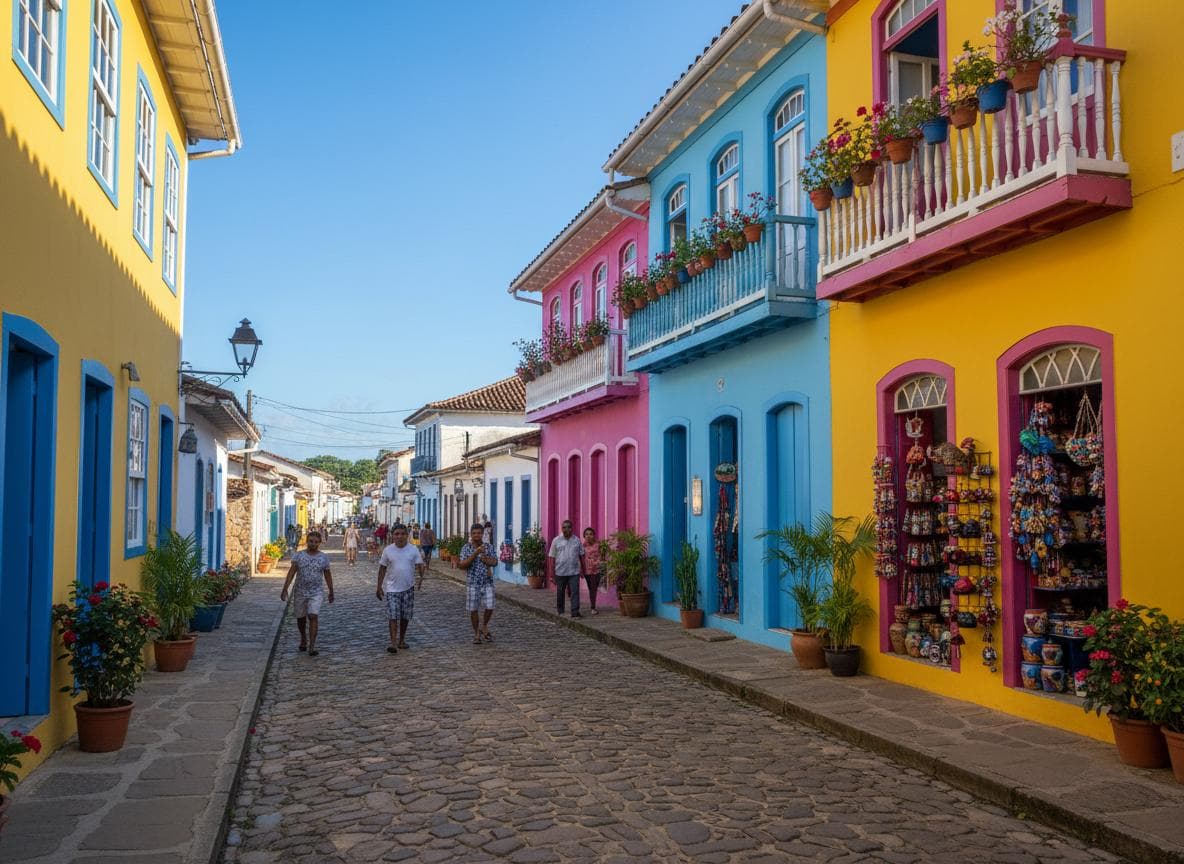
A good Marajó plan starts with the base because the base gives the trip its physical logic. From there, beaches, farm routes, river moments and quieter nature experiences can be placed in an order that feels human.
If you are still building the larger itinerary, use the Marajó Island, Brazil guide for destination context and the how to visit Marajó guide for access and timing. If health or safety preparation is part of the decision, read the Marajó safety and health guide before locking the base.
The right base makes the rest of the trip easier to plan. Before booking fixed experiences, decide whether the first chapter should be classic and visual, slower and contemplative, compact and efficient, or more open-ended.
If you still need the broader island picture, start with the Marajó Island, Brazil guide. If the access sequence is your next question, read how to visit Marajó. If you are ready to connect base, logistics and experiences into one route, move into the Travel Marajó planning flow.
Trip planning
Travel Marajó helps you compare Soure, Salvaterra and the surrounding route logic before the trip becomes a list of disconnected bookings. The goal is a coherent first Marajó experience, not a rushed calendar.
FAQ
In many first-time international trips, Soure works better as the first base because the classic Marajó experiences, beaches and local logistics are easier to read. Salvaterra can still be the stronger choice for travelers who want a quieter and slower rhythm.
Yes, in many itineraries you can stay in one base and visit the other, but the day should be planned with transfers, timing and experience sequence in mind. It is not a decision to treat as a casual city-to-city commute.
Soure is usually the clearer first choice for classic beach access and the visual first contact many travelers expect from Marajó. Salvaterra can also connect to beach and water landscapes, but the rhythm often feels softer and less circuit-like.
Salvaterra usually feels quieter and more contemplative, especially for travelers drawn to slower movement, nature, rivers, mangroves and a less classic first-tour circuit.
Yes. Your base affects transfers, arrival and departure windows, beach access, route logic and which experiences feel coherent rather than rushed.